


Supporting Older Adults During Infectious Disease Pandemics
We are dedicated to helping older adults and their families. During challenging times such as infectious disease pandemics, we take proactive steps to support our clients and their loved ones.
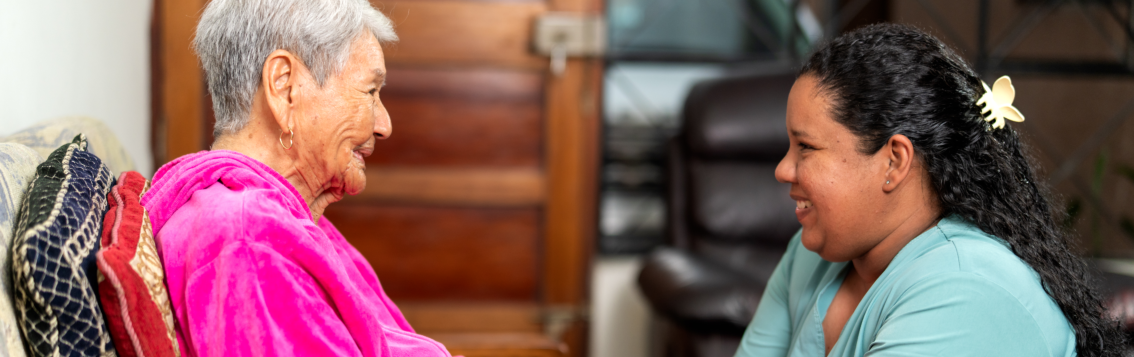
When considering care options, families may want to consider home care as a way to help aging loved ones remain safe and independent in their own homes while reducing unnecessary exposure to others.
Coronavirus (COVID-19)
Home care can help support social distancing by allowing seniors to receive assistance without needing to leave their homes unnecessarily.
Caregivers can help pick up groceries, medications, and other essential items, reducing a senior’s need to interact with other people who may have been exposed to an infectious illness.
How Our Home Care Service Helps Protect Clients
Our caregivers and team members have received training regarding important infection-prevention and safety protocols, including:
Recognizing COVID-19 symptoms
Travel reporting requirements
Respiratory etiquette
Safety protocols
Proper handwashing techniques
Warning signs of illness
Infection control
Effective disinfection of hands and surfaces
When Families Should Contact the Care Manager
Clients and families should report the following to their Care Manager:
- They have been infected with COVID-19 or are being treated for a possible infection.
- They have traveled to a location identified on the CDC advisory list.
- They have limited mobility and need assistance obtaining medical supplies or basic necessities such as water, gloves, or cleaning products.
Caregiver and Client Safety
Our team will not place a caregiver with a client for a minimum of two weeks, or until the caregiver has been cleared by a medical provider, if the caregiver has:
- Traveled to a location on the CDC advisory list within the prior two months.
- Been exposed to a location where COVID-19 is being treated.
- Begun showing symptoms of the virus.
Our team will also not place a caregiver who is experiencing symptoms of a viral infection on assignment. We will not accept new clients who show symptoms highly consistent with COVID-19 or who have traveled to Level 1 through 3 areas within the previous two weeks.
What We Know About Coronavirus
Coronavirus disease 2019 (COVID-19) is a respiratory illness caused by a novel coronavirus that was first identified during an investigation into an outbreak in Wuhan, China.
COVID-19 can spread from person to person. According to the CDC information referenced in this guidance, transmission occurs mainly between people who are in close contact, including through respiratory droplets produced when an infected person coughs or sneezes.
A person can also become infected by touching a surface or object contaminated with the virus and then touching their mouth, nose, or possibly their eyes, although this was not considered the primary way the virus spreads.
Because a person may be infectious before showing symptoms, appropriate distancing and infection-prevention measures are important.
Steps You Can Take to Protect Yourself and Your Family
The CDC recommends precautions to help reduce the spread of infectious diseases, including:
Wash your hands with soap and water for at least 20 seconds, or use hand sanitizer containing at least 60% alcohol.
Avoid touching your face, eyes, nose, and mouth with unwashed hands.
Regularly clean and disinfect commonly touched objects and surfaces.
Cover coughs and sneezes with a tissue and dispose of the tissue afterward.
Make sure you have an adequate supply of critical prescription medications.
Reschedule routine medical appointments when appropriate.
Use telemedicine or other virtual tools when you need to communicate with your physician.
Get information from reliable sources.
Stay positive and reassure family members and loved ones.
Maintain emotional connections with friends and family by phone or internet.
If You Are Sick or at Risk
If you are sick or believe you may have been exposed:
- Stay home and avoid contact with other people.
- Follow current public-health guidance regarding masks and other precautions.
- Contact your healthcare provider for appropriate medical guidance.
Common Symptoms of COVID-19
Common symptoms described in the information provided include:
- Fever
- Cough
- Difficulty breathing
If you are experiencing symptoms or are concerned about your health, contact a healthcare professional for guidance.
Who May Be at Higher Risk?
Groups identified as potentially more vulnerable include:
Older adults
Individuals with compromised immune systems
Individuals with certain preexisting health conditions
People who have traveled to areas significantly affected by the virus
Individuals who have been in close contact with someone infected with COVID-19
Helping Seniors Stay Safe and Independent
For older adults and their families, thoughtful planning can help reduce unnecessary exposure while still providing essential daily support. Home care may be one option for helping seniors remain independent at home while receiving assistance with groceries, medications, personal needs, and other necessities.
Our team remains committed to supporting older adults, their families, and caregivers with safety-focused care during infectious disease outbreaks.